
By Dr. Anand Ramamurthy
As a liver transplant surgeon, certain moments in one’s professional journey leave a lasting impression. Performing a liver transplant is always significant, but when it involves children—particularly in regions where access to advanced transplant services has traditionally been limited—the responsibility is even greater.
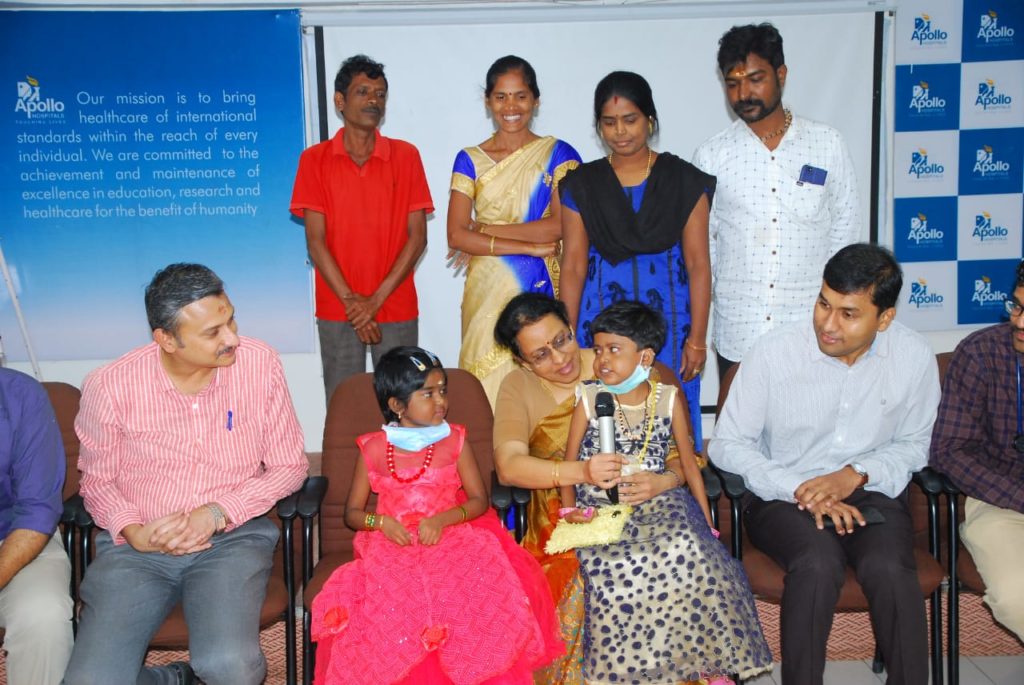
In 2019, I had the privilege of being part of a multidisciplinary team at Apollo Speciality Hospitals, Madurai, that successfully performed living donor liver transplants for two seven-year-old children diagnosed with end-stage liver disease. These procedures were not only clinical milestones but also meaningful steps forward in expanding access to specialised paediatric liver care in South Tamil Nadu.
The Challenge of Paediatric Liver Disease
Paediatric liver disease remains one of the more under-recognised and under-treated conditions in clinical practice. Many children present at an advanced stage, often due to delayed diagnosis or late referral. This delay is rarely due to negligence; more often, it reflects limited awareness and access to specialised care.
Historically, families from Madurai and surrounding districts had to travel to metropolitan centres for comprehensive evaluation and liver transplant services. For children with progressive liver failure, such delays can significantly impact outcomes. In both cases described here, despite optimal medical management, disease progression made liver transplant the only definitive and life-saving treatment.
Living Donor Liver Transplant in Children
In paediatric patients, living donor liver transplant is frequently the most feasible and timely option. Children require a relatively small graft volume, and the liver’s regenerative capacity allows both donor and recipient livers to return to near-normal size over time.
In these two cases, one child received a graft from her mother and the other from her father. Parental donation often provides immunological advantages, potentially reducing the risk of rejection and supporting favourable long-term outcomes following liver transplant.
Before proceeding, both donors and recipients underwent comprehensive medical, surgical, and psychosocial evaluation. All ethical protocols were strictly followed, and approvals were obtained under the Chief Minister’s Comprehensive Health Insurance Scheme through the TNHSP-CMCHIS committee in Chennai.
Surgery and Post-Transplant Care
The liver transplant procedures were performed in August and October 2019. Paediatric liver transplantation is technically demanding, requiring precise vascular and biliary reconstruction and close intraoperative coordination. Each case was carefully planned and executed by an experienced team of surgeons, anaesthetists, paediatricians, gastroenterologists, intensivists, and transplant coordinators.
Post-operatively, both children were managed in a specialised intensive care setting with close monitoring, infection prevention strategies, and individually tailored immunosuppression. Their recovery was uneventful, and both patients demonstrated good graft function and clinical improvement following transplant.
Expanding Access to Advanced Liver Care
One of the most significant aspects of these successful liver transplant procedures was that they were performed in Madurai itself. This represented an important step in decentralising advanced transplant care and demonstrated that, with appropriate expertise and infrastructure, complex procedures such as paediatric liver transplantation can be safely delivered outside major metropolitan centres.
The success of these cases was the result of a coordinated multidisciplinary effort. Liver transplantation is never the achievement of an individual alone; it depends on seamless collaboration across specialties, each contributing to patient safety and long-term outcomes.
The Importance of Early Referral
Early referral plays a critical role in improving liver transplant outcomes in children. Persistent jaundice, failure to thrive, abdominal distension, or abnormal liver function tests warrant timely specialist evaluation. When assessed and listed early, children often achieve excellent long-term survival and quality of life following liver transplant.
Beyond the Operating Theatre
The responsibility of a liver transplant team extends well beyond surgery. Long-term follow-up, adherence to immunosuppressive therapy, nutritional support, and family education are essential components of post-transplant care. Our objective is not merely survival, but the restoration of normal growth, development, and quality of life.
Looking Forward
These two paediatric liver transplant cases represent progress—not only in surgical capability but also in improving access to specialised liver care closer to home. They underscore the importance of awareness, timely referral, and structured transplant programmes in delivering optimal outcomes for children with advanced liver disease.
Being part of this effort in Madurai has been professionally fulfilling and reinforces the ongoing responsibility we share as clinicians to expand access to safe, ethical, and effective liver transplant care.