
By Dr. Anand Ramamurthy
Understanding Living Organ Donation in Modern Transplant Medicine
Organ transplantation is a life-saving intervention for patients with end-stage organ failure. While much public focus is placed on transplant recipients, an equally important discussion involves living organ donation risks and how they are managed within modern transplant programs.
This article focuses specifically on living donors, as deceased organ donation does not involve medical risk to the donor.
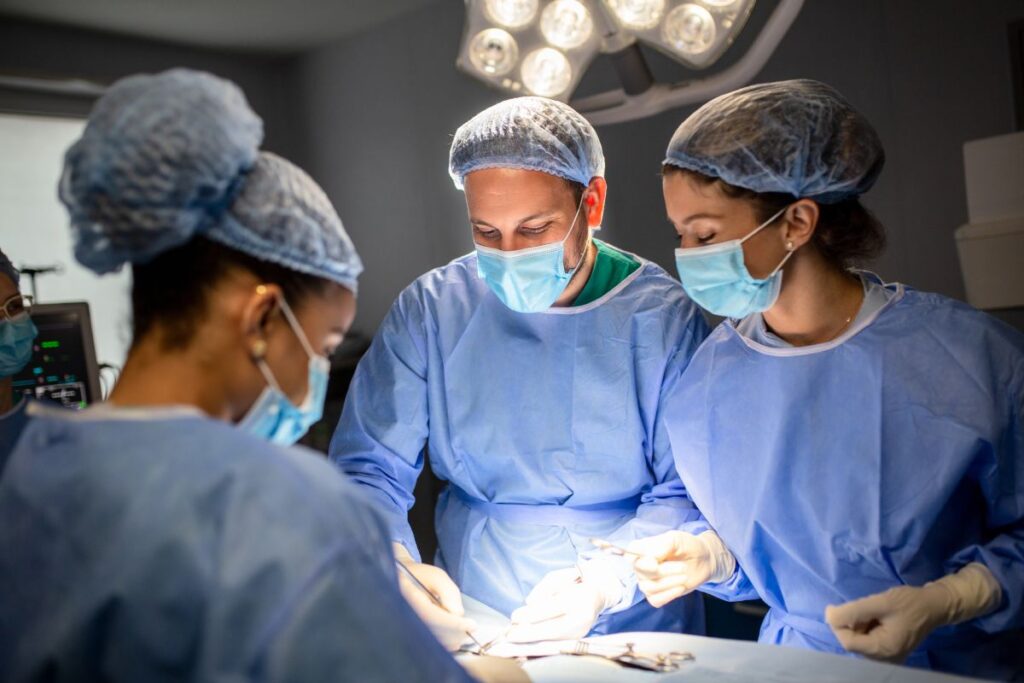
Living donor surgery is unique because the donor is a healthy individual who does not gain direct medical benefit from the procedure. For this reason, donor safety remains the highest priority in all accredited transplant centers.
Why Living Donor Surgery Requires Higher Safety Standards
Unlike routine surgery, living donation involves operating on an individual without underlying disease. This makes evaluation, consent, and surgical planning far more stringent.
To minimize living organ donation risks, transplant teams conduct a comprehensive multidisciplinary assessment that includes:
1. Medical evaluation by transplant surgeons and physicians
2. Psychological and emotional assessment
3. Radiological and laboratory screening
4. Ethical and informed consent review
Any concern regarding donor safety leads to immediate disqualification, regardless of recipient urgency.
Categories of Living Organ Donation Risks
General Surgical Risks
All living donor surgeries are performed under general anesthesia and carry risks common to major surgery, including:
1. Bleeding
2. Infection
3. Anesthesia-related complications
4. Blood clots
5. Temporary post-operative pain
Because donors are healthy, these risks are significantly lower than in patients undergoing surgery for chronic illness.
Organ-Specific Donation Risks
Kidney Donation
Kidney donation is among the most studied donor procedures worldwide. Long-term outcomes show that carefully selected donors maintain normal health with one kidney. Rare risks include:
1. High blood pressure
2. Reduced kidney reserve later in life
This is why lifelong medical follow-up is recommended.
Liver Donation
Living liver donation involves removal of a portion of the liver. Although the liver regenerates, this is a more complex procedure.
The estimated risk of serious complications or mortality following living liver donation is approximately 1 in 200–500 donors. These living organ donation risks are primarily related to unpredictable surgical or medical events rather than modifiable factors.
How Safe Is Living Organ Donation?
Living donor surgery is considered highly safe when performed in experienced, high-volume transplant centers.
Factors contributing to safety include:
1. Strict donor selection protocols
2. Advanced imaging and surgical planning
3. Specialized transplant surgeons
4. Dedicated donor care pathways
More than 90% of living donors report long-term satisfaction, good quality of life, and willingness to donate again if required.
Psychological and Emotional Considerations for Living Donors
Living organ donation risks are not limited to physical outcomes. Donors may experience:
1. Temporary anxiety
2. Emotional stress during recovery
3. Fatigue or mood changes
This is why psychological evaluation and post-donation counseling are integral parts of donor care in accredited transplant hospitals.
Comparing Donor Risks with Transplant Recipient Risks
The risk profile of transplant recipients is fundamentally different.
Patients requiring transplantation suffer from advanced organ failure, which carries:
1. Progressive complications
2. Reduced life expectancy
3. High mortality without intervention
For example, the risk of death following liver transplantation is approximately 10%, even in leading centers. However, this is far lower than the near-certain mortality associated with untreated end-stage liver disease.
In contrast, living organ donation risks remain low, carefully regulated, and ethically controlled.
Ethical Principles in Living Organ Donation
A core principle of transplant medicine is that recipient benefit never outweighs donor safety. Transplant teams are ethically obligated to decline donors if risk thresholds are exceeded.
This ethical framework ensures that living donation remains safe, voluntary, and medically justified.
Final Thoughts from a Transplant Surgeon
Living organ donation represents one of the most altruistic acts in modern medicine. While living organ donation risks do exist, they are low, well-defined, and continuously minimized through expert surgical care and rigorous evaluation.
When compared with the high risk of mortality faced by transplant recipients without surgery, living donation stands as a safe, ethical, and life-saving option.